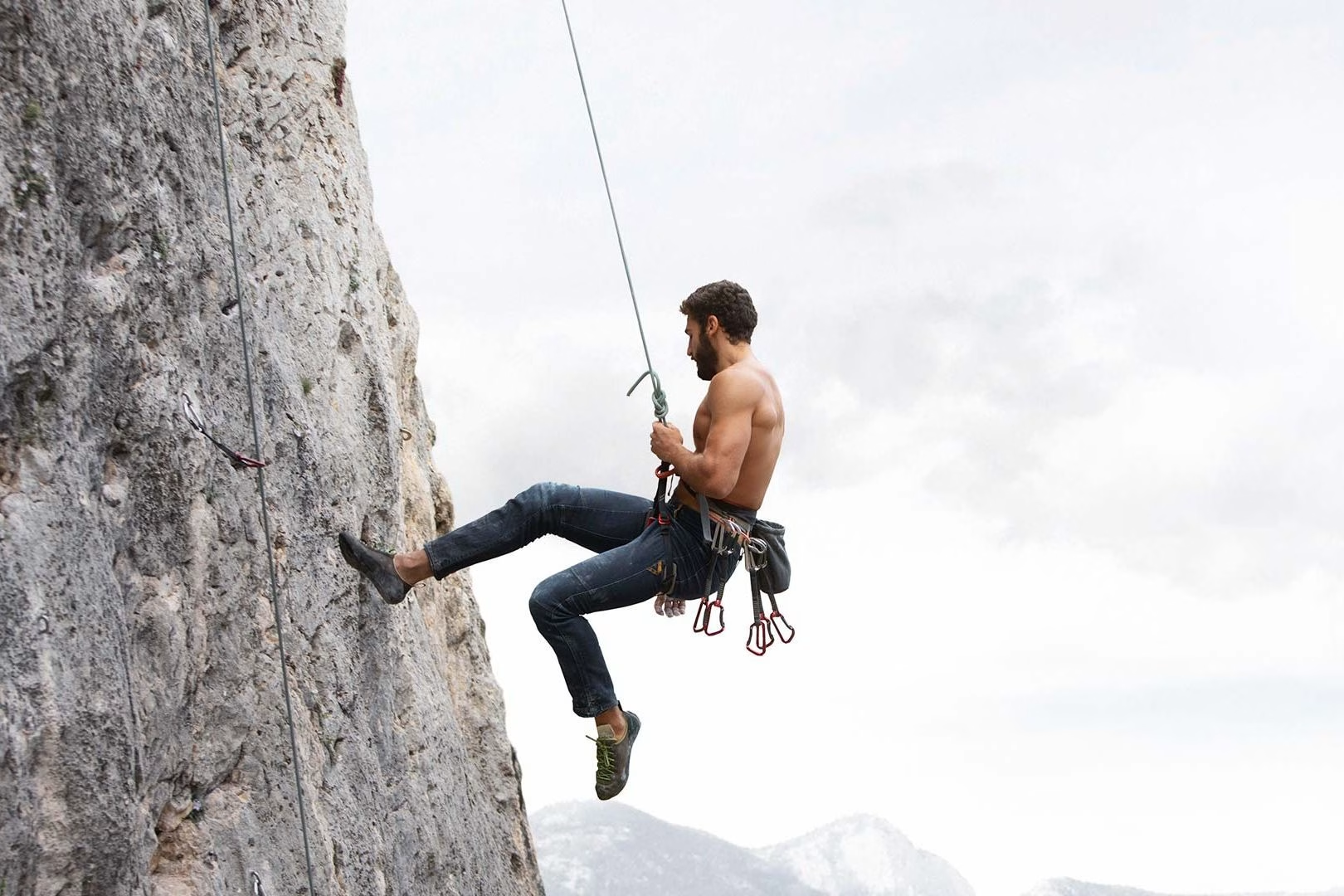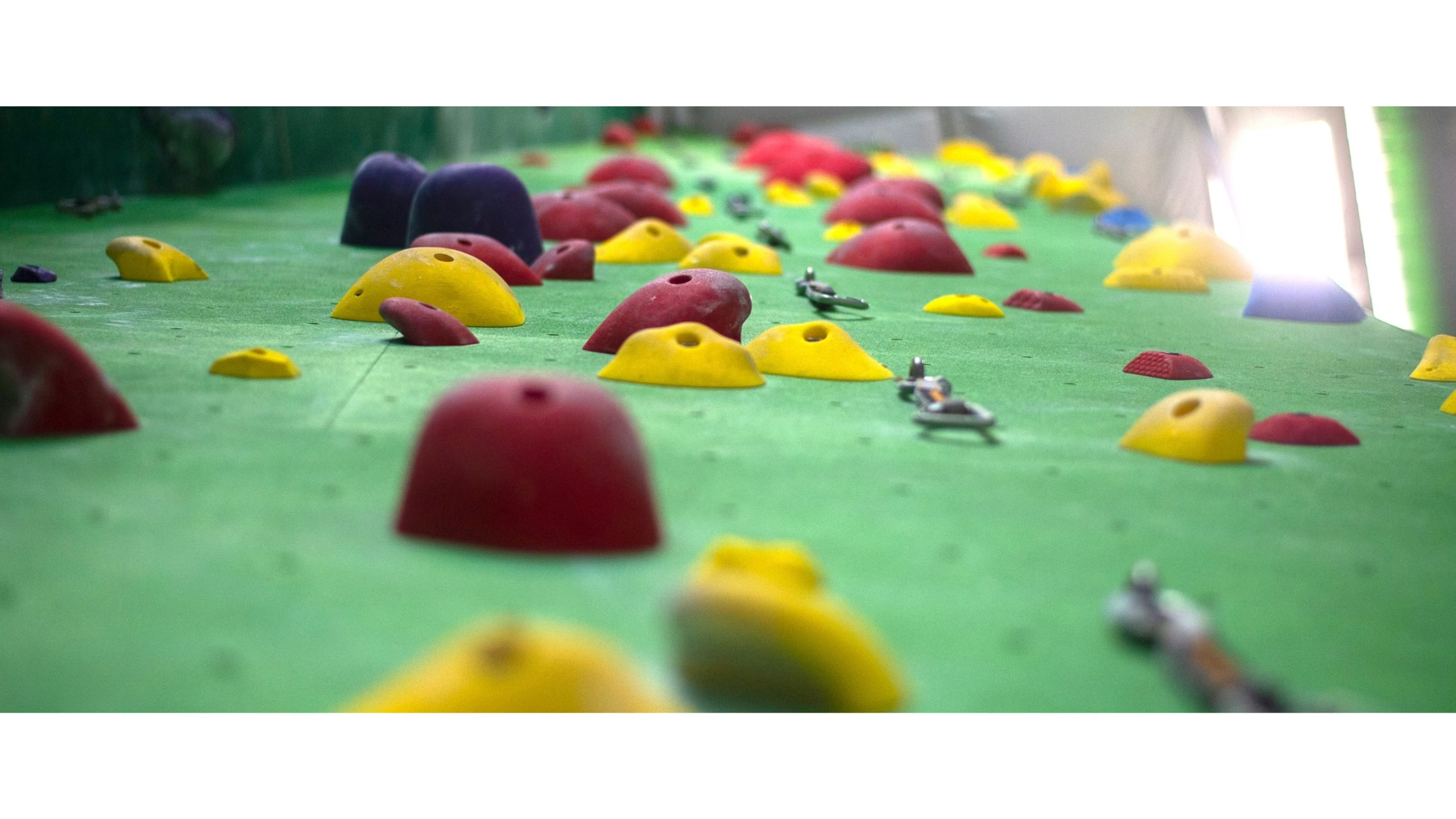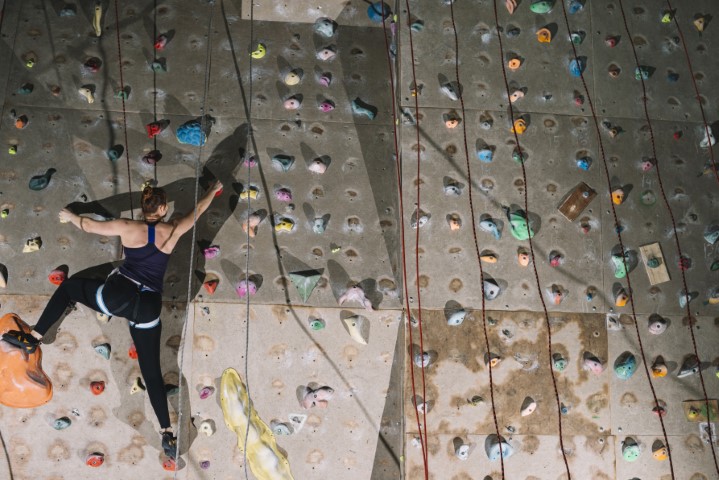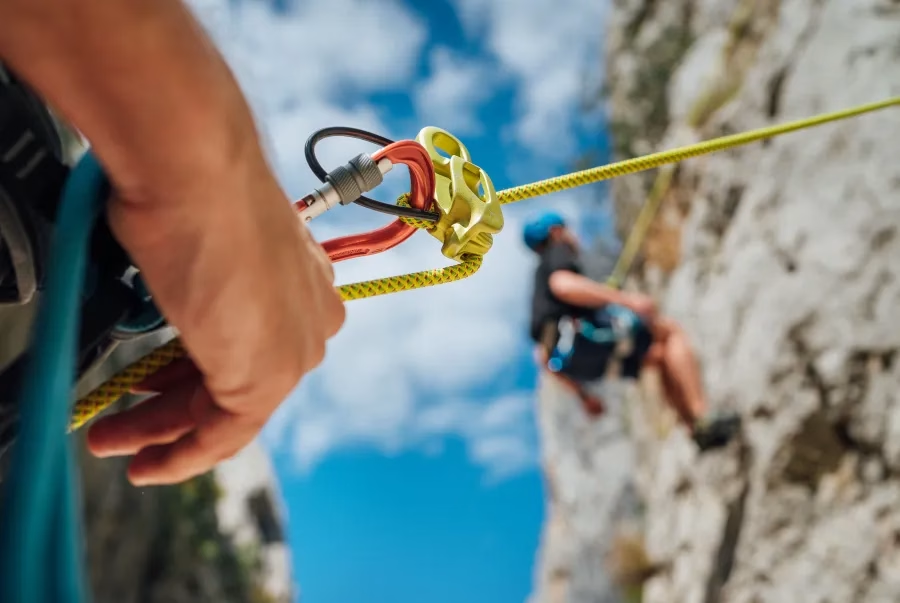
In recent years, climbing has emerged as one of the most effective, engaging, and holistic fitness activities worldwide. Whether practiced on natural rock or on professionally built artificial climbing walls, the sport offers tremendous physical and mental benefits for people of all ages. As a leading company specializing in the construction of climbing walls for schools, the Army, and adventure parks, Climbing Walls understands the powerful impact this activity can have on personal growth, resilience, and overall well-being.
This comprehensive guide explores how climbing improves physical and mental health, why it’s one of the best full-body workouts available, and how institutions—from educational campuses to military training academies—are integrating climbing walls to enhance performance and development.
- Climbing as a Full-Body Workout
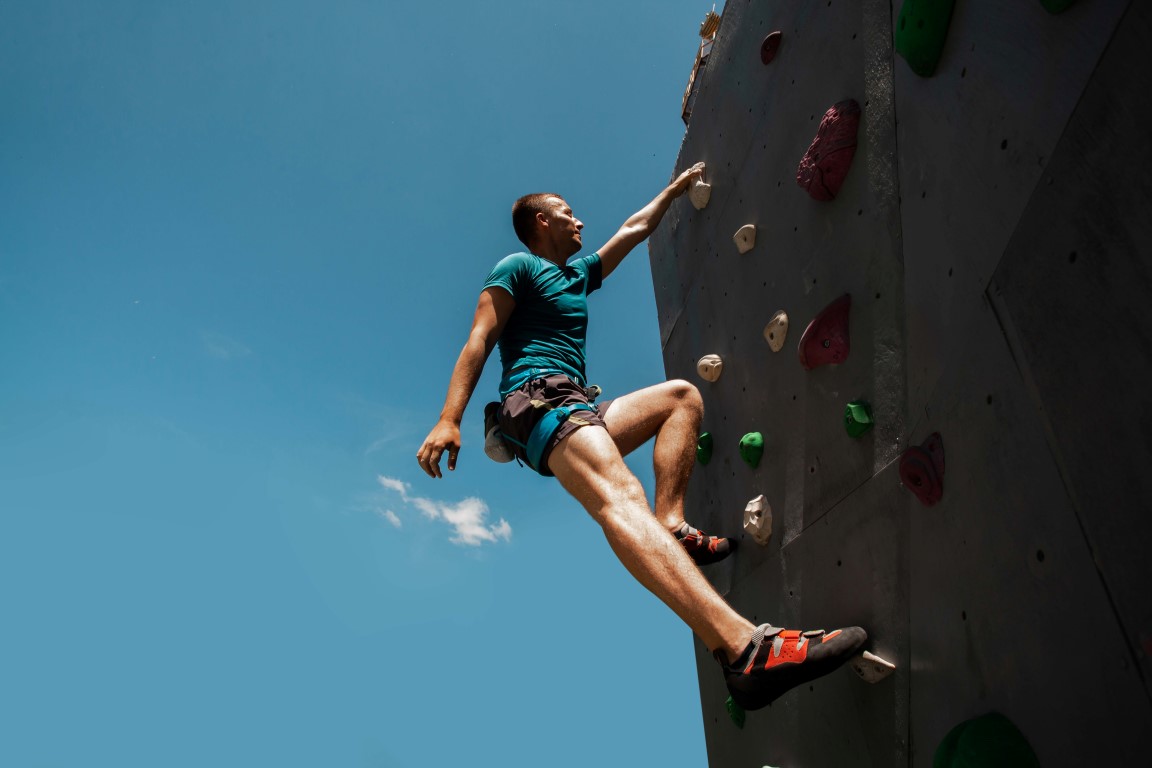
Climbing is unique because it engages almost every major muscle group simultaneously. Unlike traditional gym workouts that isolate muscles, climbing demands coordinated, functional movement.
A] Upper Body Strength
Climbers rely heavily on their arms, shoulders, and back. Each pull and reach activates the biceps, triceps, deltoids, and upper back muscles. Over time, climbers develop exceptional upper-body power without the need for heavy lifting.
B] Lower Body Engagement
Contrary to popular belief, climbing is not only about pulling with the arms. Strong and strategic footwork allows climbers to push upward using the legs, engaging the quadriceps, calves, hamstrings, and glutes. Climbing walls in schools often help children develop proper lower-body coordination early on.
C] Core Stability
Every climbing move requires balance and stability. The twisting, lifting, and reaching motions engage the core muscles constantly, naturally strengthening the abdomen and lower back.
D] Improved Flexibility
Because climbing requires reaching for holds, stretching the body, and positioning feet with precision, it significantly improves flexibility. This is especially beneficial for students and athletes who need enhanced mobility for sports and daily movement.
- Cardiovascular and Endurance Benefits
Climbing is not just a strength-building activity; it’s also an excellent cardiovascular workout.
A] High-Intensity Exercise
Climbing increases heart rate quickly, providing a high-intensity interval training (HIIT) effect. This helps improve stamina and cardiovascular health.
B] Increased Muscular Endurance
Repeated climbs—whether in a school gym or Army training facility—build stamina in both upper and lower body muscles. This endurance is crucial not only for athletic performance but also for overall physical fitness.
C] Enhanced Respiratory Capacity
As climbers focus on breathing techniques during challenging sections, they naturally develop better respiratory control, which enhances lung capacity and oxygen efficiency.
- Mental Benefits of Climbing
Climbing is often referred to as “vertical meditation” because it trains the mind just as effectively as the body.
A] Improved Focus and Concentration
Each climbing route requires problem-solving, route reading, and continuous focus. This level of mental engagement helps sharpen concentration, making climbing an excellent activity for students who struggle with attention or for soldiers who require tactical awareness.
B] Stress Relief
Climbing encourages individuals to be present in the moment. The combination of physical activity and mental engagement helps reduce stress hormones and promotes overall relaxation.
C] Enhanced Self-Confidence
Completing a climbing route—especially a challenging one—provides a strong sense of achievement. This boosts self-esteem, resilience, and courage, particularly in young students and adventure participants.
D] Mental Resilience
Climbing teaches persistence. Climbers often experience falls, failed attempts, and repeated practice before success. This process builds resilience, patience, and the ability to remain calm under pressure—qualities essential for military personnel and young learners alike.
- Cognitive and Developmental Benefits
Climbing stimulates cognitive development in ways that few other physical activities do.
A] Problem-Solving Skills
Every climbing wall is like a physical puzzle. Climbers must identify holds, determine movement sequences, and adapt their strategy based on challenges. Schools that integrate climbing walls often see improvements in students’ decision-making skills.
B] Spatial Awareness
Climbing requires constant awareness of body position, distance, and movement. This enhances spatial intelligence and proprioception, which are critical for athletic coordination and everyday movement.
C] Improved Memory and Learning
As climbers memorize routes and repeat sequences, they strengthen both short-term and long-term memory pathways. This can be especially beneficial for academic learning and cognitive training.
- Emotional and Social Benefits
While climbing can be enjoyed individually, it naturally cultivates teamwork, communication, and emotional well-being.
A] Building Trust
In top-rope climbing environments, climbers rely on belayers for safety. This reinforces trust, communication, and cooperation—values important in army units and adventure park groups.
B] Community and Connection
Climbing fosters a strong sense of community. Encouragement, shared problem-solving, and teamwork help participants develop meaningful social bonds.
C] Boosted Mood
Physical exercise releases endorphins, the body’s “feel-good” hormones. Combined with the sense of achievement from climbing, the mood-enhancing effects are significantly amplified.
- Benefits of Climbing Walls in Schools
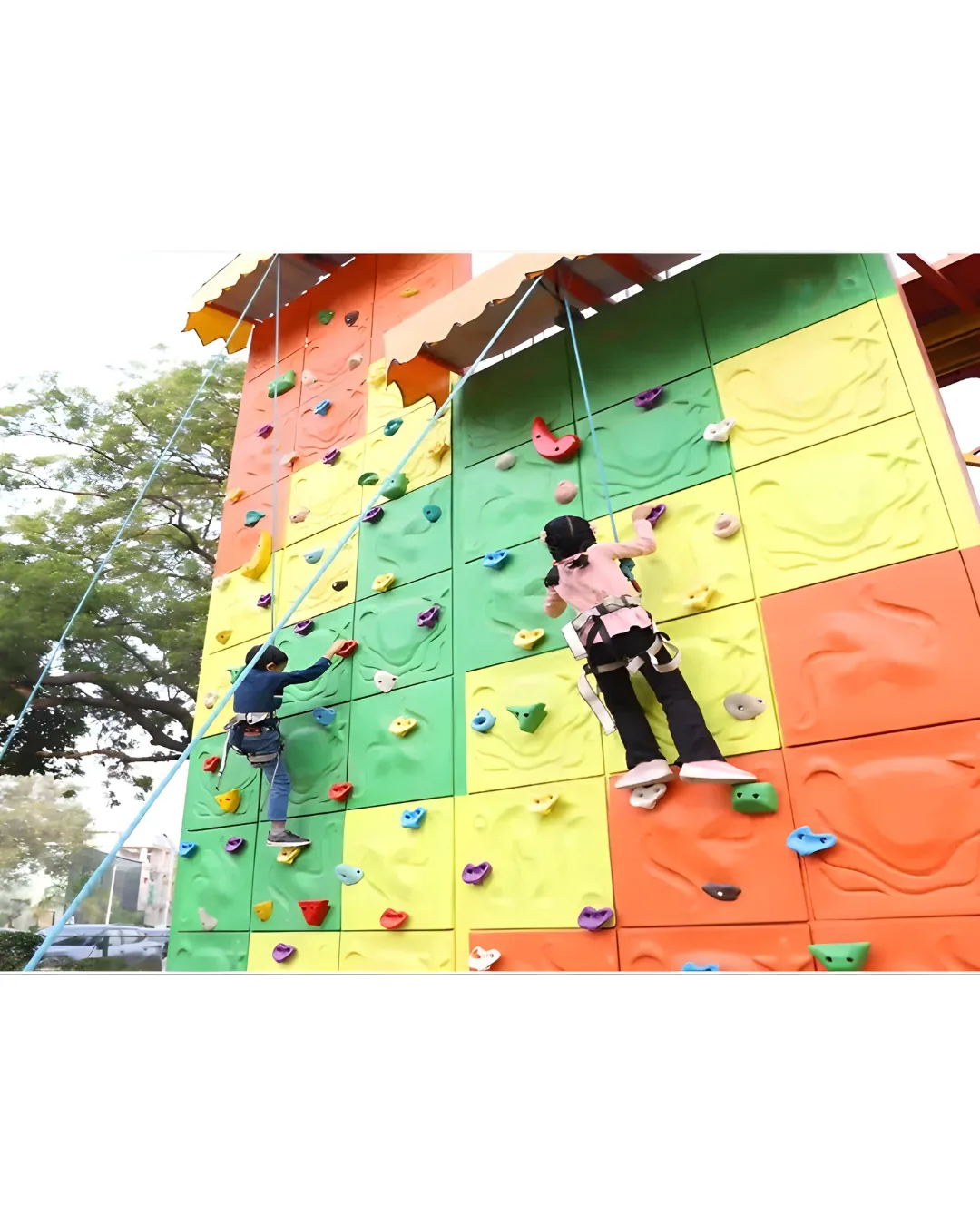
Climbing walls in schools offer a fun, engaging alternative to traditional gym activities. They help students develop:
- Balance and coordination
- Teamwork
- Self-discipline
- Goal-setting skills
- Confidence
- Healthy competition
Additionally, climbing walls encourage students who may not enjoy typical sports like running or football, giving them a unique outlet for physical activity.
- Climbing for Military and Tactical Training
The Army and defense forces worldwide use climbing walls to develop tactical strength, agility, and mental readiness.
A] Physical Conditioning
Climbing builds functional strength crucial for military operations, including load carrying, mobility, and endurance.
B] Stress and Fear Management
High-angle climbing helps soldiers manage fear, improve crisis decision-making, and build mental toughness.
C] Team Cohesion
Group climbs and obstacle-based climbing courses improve coordination and trust among troops.
- Climbing in Adventure Parks
Adventure parks integrate climbing walls to enhance recreational experiences. Benefits include:
- Fun and safe adrenaline experiences
- Family-friendly fitness activities
- Skill development in balance and movement
- Increased visitor engagement
- Encouragement of outdoor activity
Climbing walls also attract visitors of all age groups, making them a perfect addition to entertainment venues.
- Why Every Institution Should Consider Installing Climbing Walls
Climbing walls are versatile, durable, and suitable for all ages. Institutions that benefit include:
- Schools – for physical education and skill development
- Armies & Defense Units – for physical and tactical training
- Adventure Parks – for recreational and commercial growth
- Fitness Centers – for enhanced workout options
- Rehabilitation Centers – for low-impact therapy and coordination training
Investing in climbing walls means investing in physical health, mental strength, and community building.
- Climbing Walls by Our Company: Safety, Innovation & Quality
As a reputed company in the climbing wall industry, Climbing Walls specializes in designing, manufacturing, and installing custom climbing walls for schools, Army facilities, gyms, and adventure parks. Our structures are built with:
- International safety standards
- High-quality materials
- Customized design options
- Durable finishes for long-term use
- Professional installation and inspection
We ensure that each climbing wall supports not only recreation but also education, fitness, discipline, and psychological development.
Conclusion: Climbing Enhances Health in Every Possible Way
Climbing is far more than a sport—it’s a complete mind-body training system. From building strength, endurance, and flexibility to fostering focus, confidence, and emotional resilience, the benefits are vast and meaningful. Schools use climbing to encourage student development, the military uses it to enhance tactical training, and adventure parks use it to create unforgettable experiences.
For any institution looking to improve health, engagement, teamwork, and performance, installing a professional climbing wall is one of the most impactful investments.
If you’re ready to bring the transformative power of climbing to your school, training academy, or adventure facility, Climbing Walls is here to help you design and build a wall that inspires growth—physically, mentally, and socially.