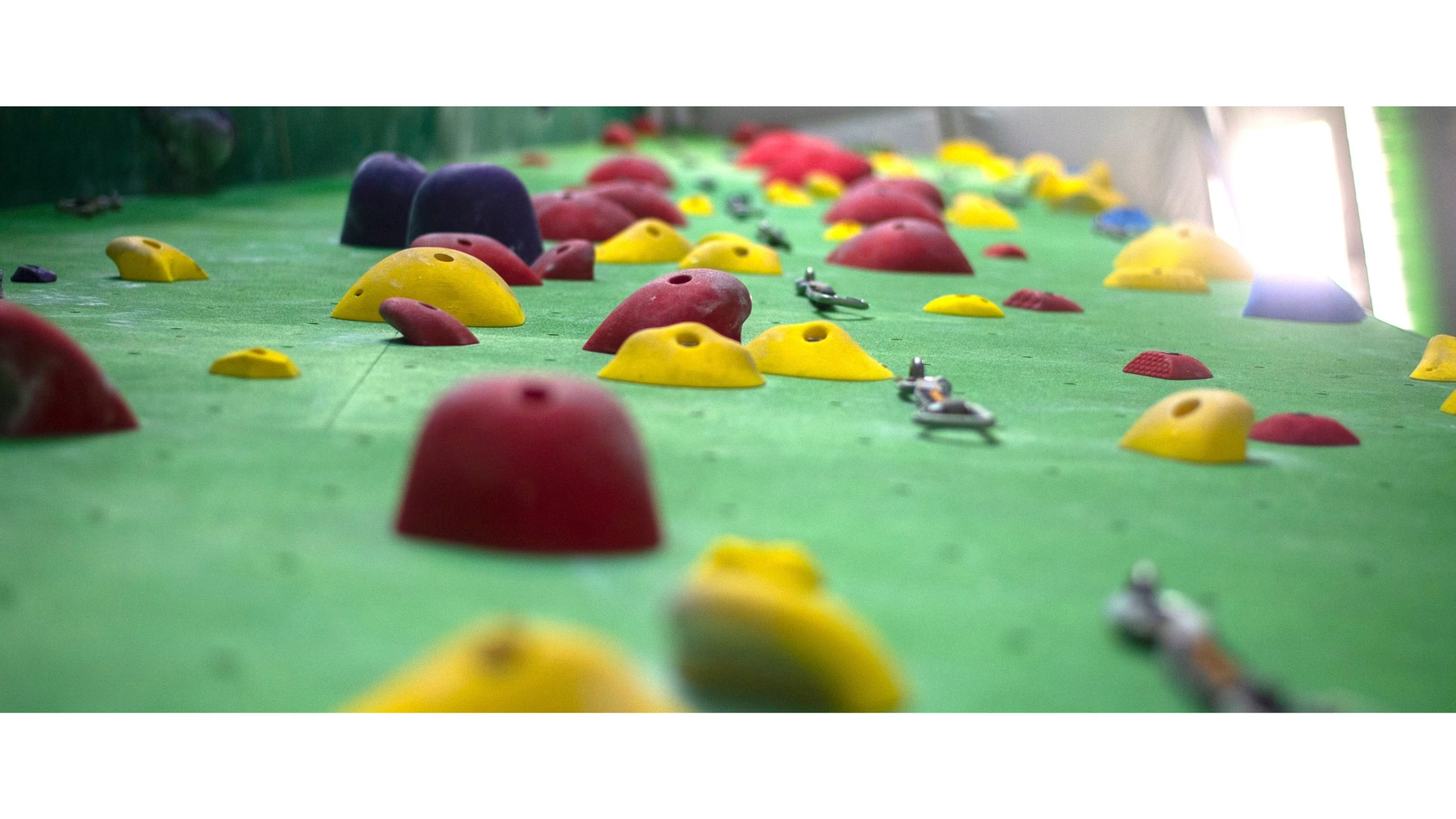
At Climbing Walls, we believe that a climbing wall is not just a structure—it is a precision-built training asset. This article explores the science behind safe and durable climbing wall construction, and why professional design and engineering matter.
Understanding the Engineering of a Climbing Wall
A climbing wall must withstand dynamic human loads, repetitive use, and environmental stress. Unlike static structures, climbers apply force in multiple directions—pulling, pushing, jumping, and falling.
To manage this, climbing wall construction relies on:
- Structural engineering principles
- Load distribution analysis
- Material strength testing
- Compliance with international safety norms
Each wall is designed to balance performance, safety, and longevity.
Structural Framework: The Backbone of Safety
The foundation of a safe climbing wall is its structural framework. Most professional climbing walls use high-grade steel frameworks or reinforced wooden structures, depending on whether the wall is indoor or outdoor.
Key scientific considerations include:
- Load-bearing capacity to support multiple climbers simultaneously
- Dynamic load resistance to absorb sudden movements and falls
- Anchoring systems securely fixed to floors, walls, or concrete foundations
For army base camps and adventure parks, structures are designed to handle extreme use and higher stress levels, ensuring long-term reliability.
Surface Materials: Strength Meets Grip
The climbing surface plays a critical role in both durability and climber safety. Professionally built climbing walls use engineered panels made from:
- Marine-grade plywood
- Fiber-reinforced composite panels
- Weather-resistant treated boards
These materials are scientifically tested for:
- Impact resistance
- Moisture and temperature tolerance
- Anti-slip surface performance
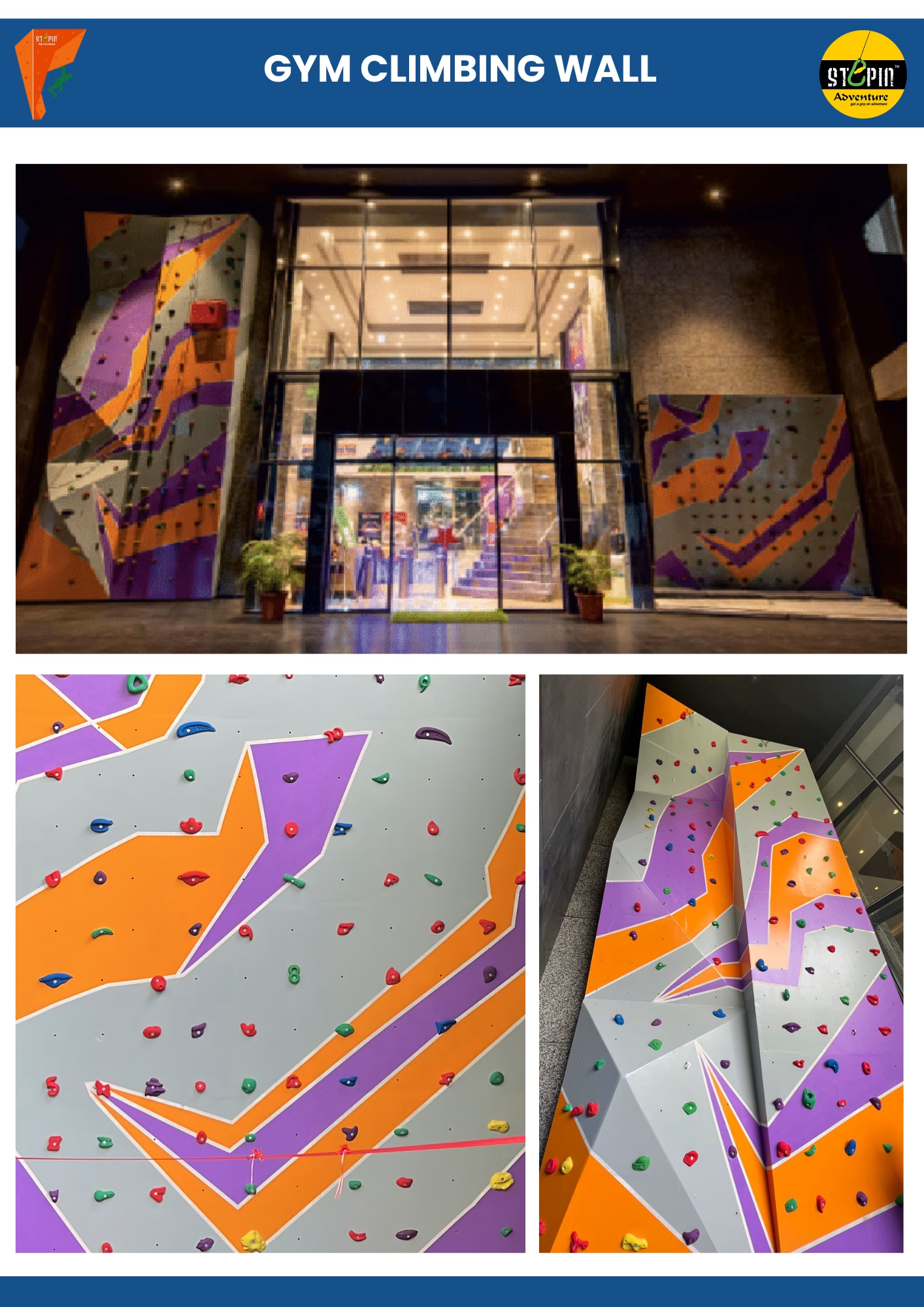
Textured coatings are applied to replicate natural rock feel while maintaining consistent grip, reducing the risk of slips and injuries.
Route Setting & Load Distribution Science
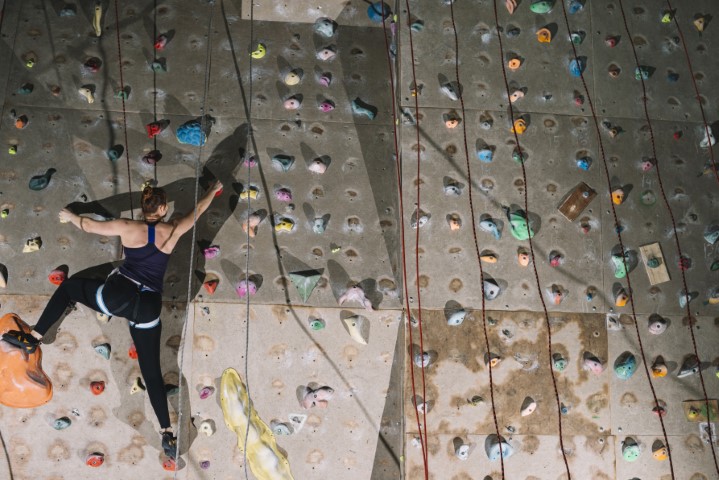
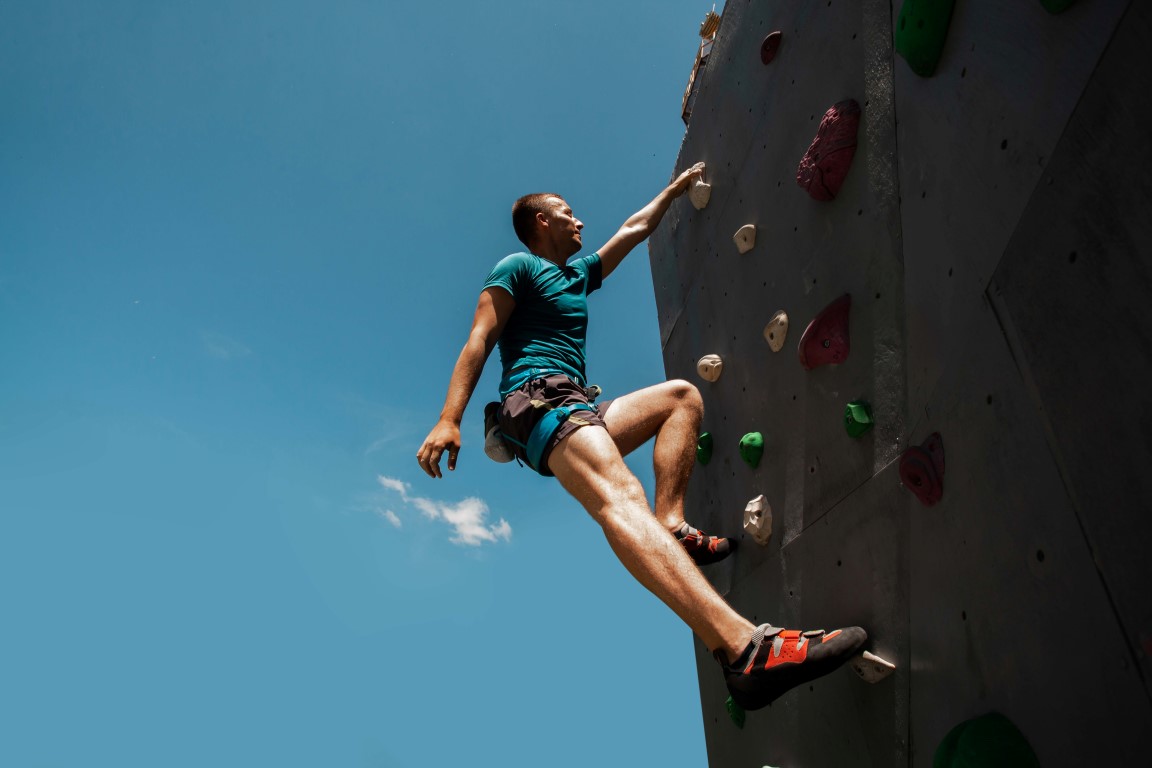
The placement of climbing holds is not random—it is based on biomechanics and physics.
Professional route setting ensures:
- Even distribution of climber weight
- Reduced stress concentration on specific panels
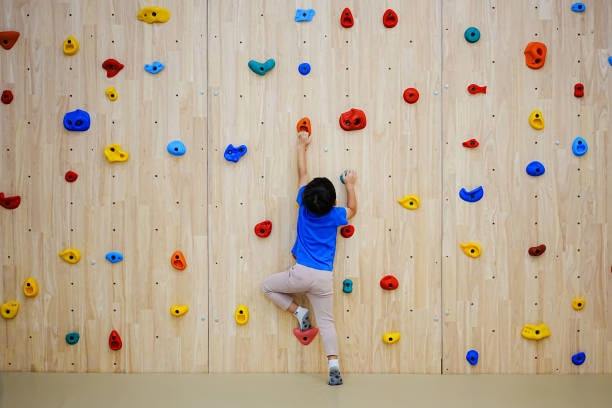
- Safe movement patterns for different age groups and skill levels
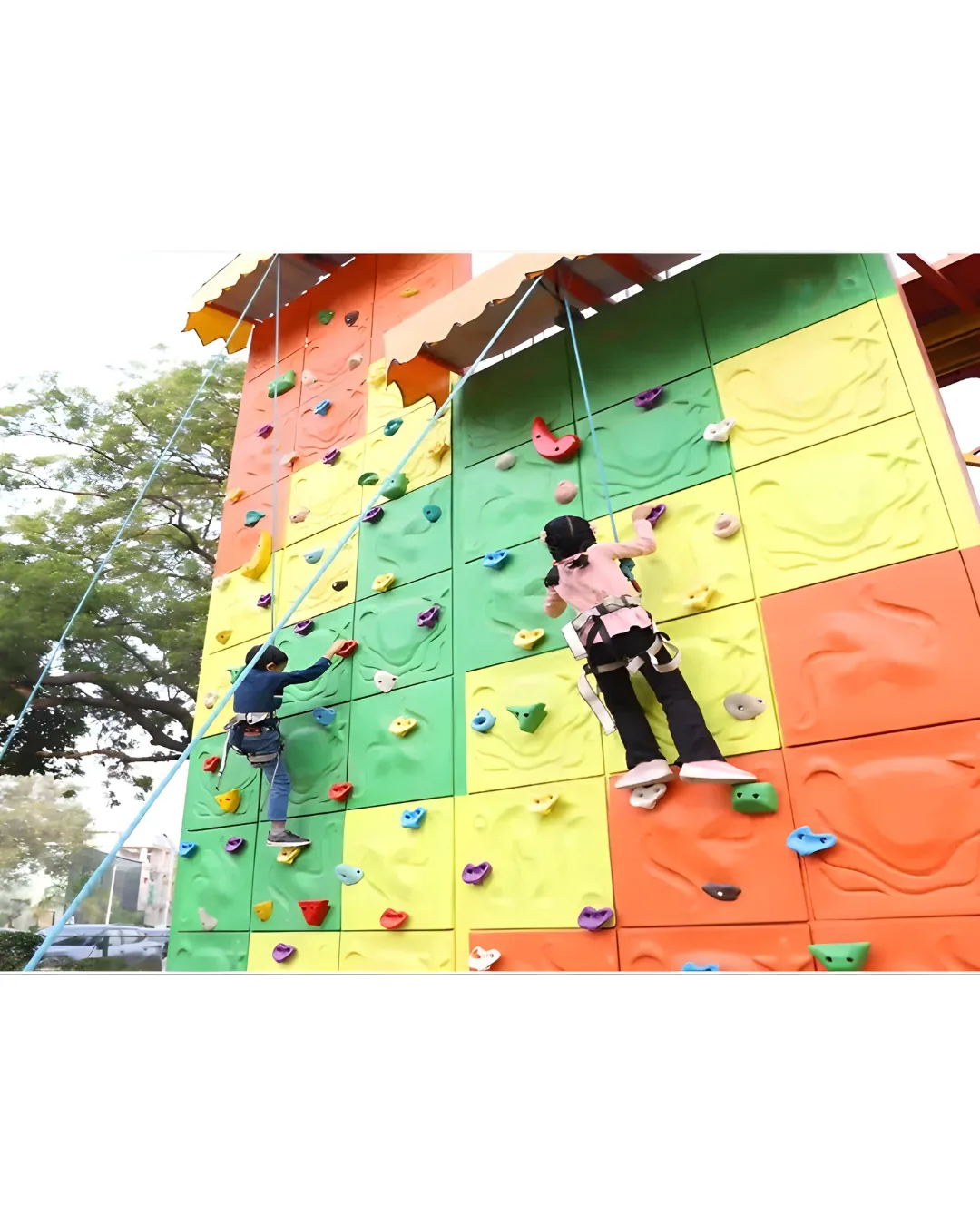
For schools, colleges, adventure parks, amusement parks & routes are designed to encourage balanced muscle use and controlled movements, while defence training walls may include overhangs, traverses, and endurance routes for advanced conditioning.
Safety Systems: The Science of Fall Protection
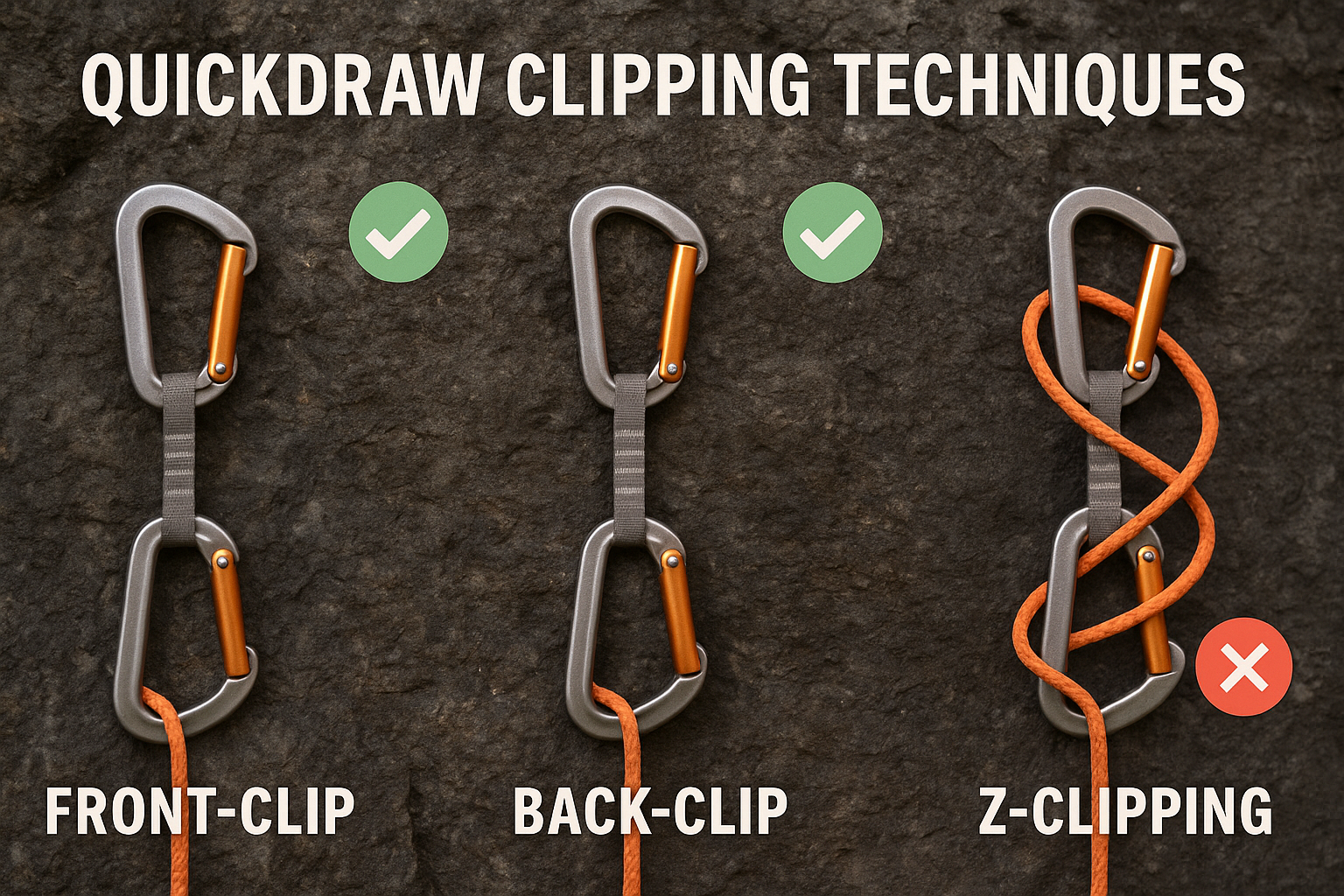
Fall protection is a non-negotiable aspect of climbing wall construction. Scientific research on impact forces guides the selection of safety systems such as:
Flooring & Padding
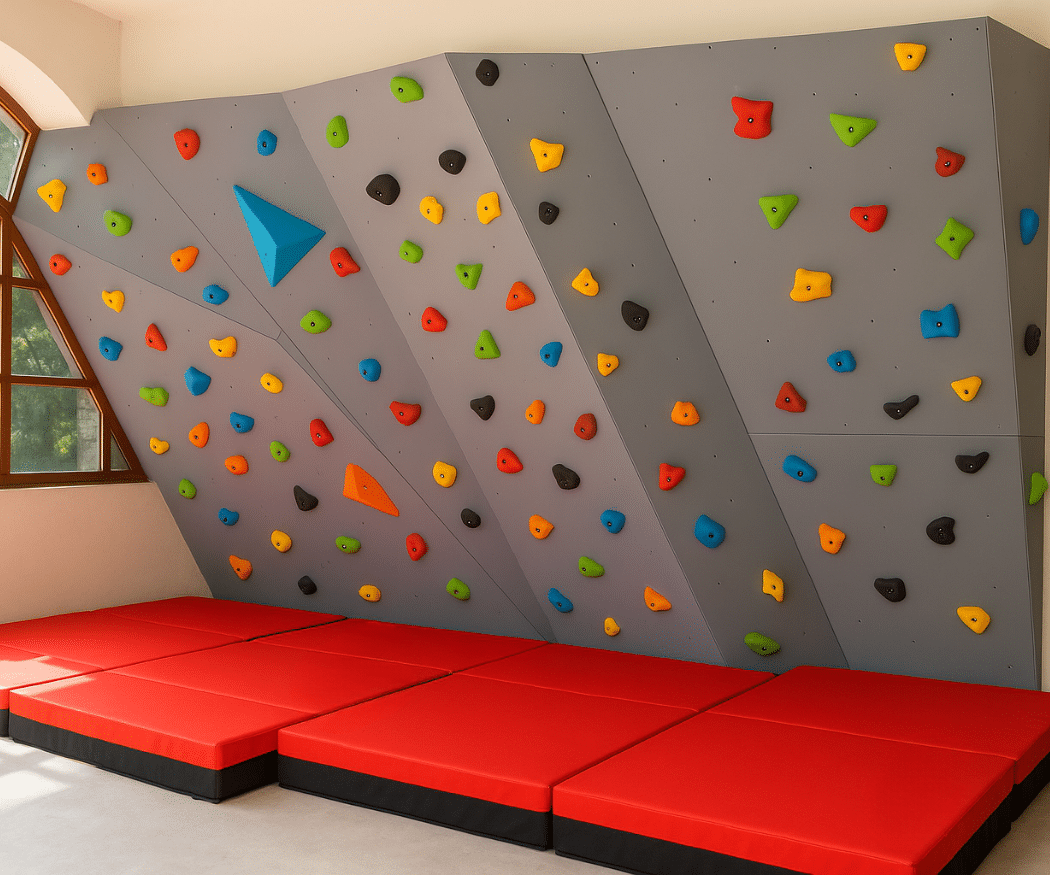
- High-density crash mats
- Shock-absorbing foam layers
- Energy-dissipating flooring systems
These systems reduce impact force during falls, minimizing injury risk—especially important in school environments.
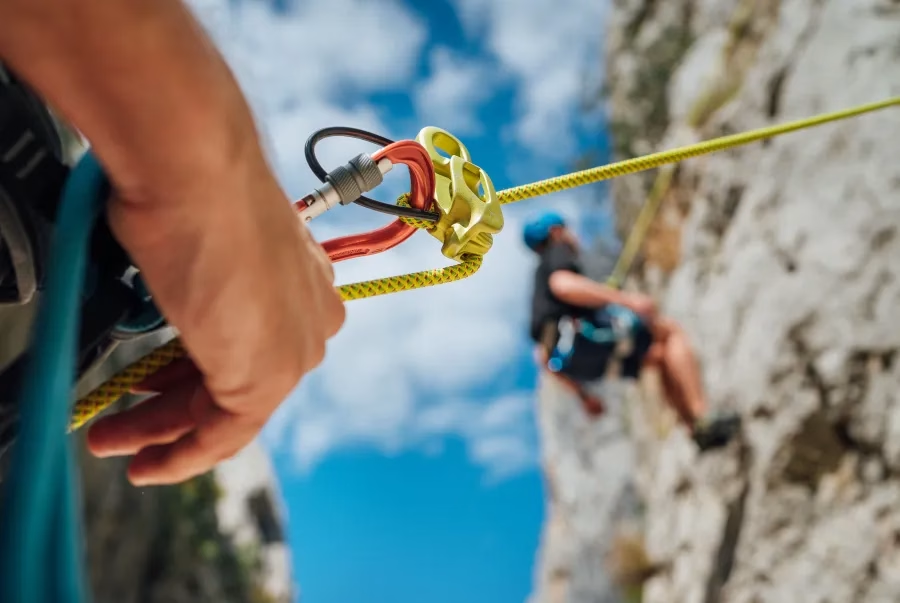
Belay & Anchor Systems
For Lead & Speed climbing walls:
- Certified anchors
- Certified Auto-belay systems
- Redundant safety points
These systems are load-tested and certified to withstand forces far exceeding normal climbing activity.
Environmental Durability: Indoor vs Outdoor Walls
Outdoor climbing walls in adventure parks and defence training centres face additional challenges like UV exposure, rain, dust, and temperature variations.
Scientific solutions included in AMC are :
- UV-resistant coatings
- Anti-corrosion metal treatments
- Weatherproof fasteners and hardware
Indoor walls, while protected from weather, are designed for high-frequency usage, requiring abrasion-resistant surfaces and reinforced fixing systems.
Compliance with Safety Standards
Safe climbing wall construction follows international, national and industry-recognized safety standards, including:
- EN (European Norms) standards
- World climbing previously known as IFSC norms & standards
- UIAA safety guidelines
- Load and material testing protocols as and when needed
Compliance ensures that climbing walls meet global safety benchmarks, providing confidence to institutions, parents, and authorities.
Maintenance Science: Ensuring Long-Term Performance
Durability doesn’t end at installation. Scientific maintenance protocols help extend the life of climbing walls:
- Routine bolt torque testing
- Structural inspections
- Surface wear analysis
- Hold replacement cycles
A well-maintained climbing wall can perform safely for 10–15 years or more, making it a long-term investment for schools, colleges, and defense facilities.
Why Professional Construction Matters
Poorly engineered climbing walls often fail due to:
- Inadequate load calculations
- Inferior materials
- Lack of safety testing
Professional climbing wall manufacturers apply engineering expertise, safety science, and real-world experience to deliver walls that are safe, durable, and purpose-built.
Final Conclusion
The science behind safe and durable climbing wall construction lies in engineering precision, material technology, safety systems, and professional expertise. From structural frameworks and surface materials to fall protection and maintenance, every element is carefully designed to protect users and ensure long-term performance.
For schools, colleges, adventure parks, and army base camps, investing in a professionally built climbing wall is not just about recreation—it is about safety, durability, and performance excellence.
At www.climbingwalls.in (Stepin Adventure), we combine science, safety, and innovation to build climbing walls that stand strong, perform consistently, and inspire confidence for years to come.