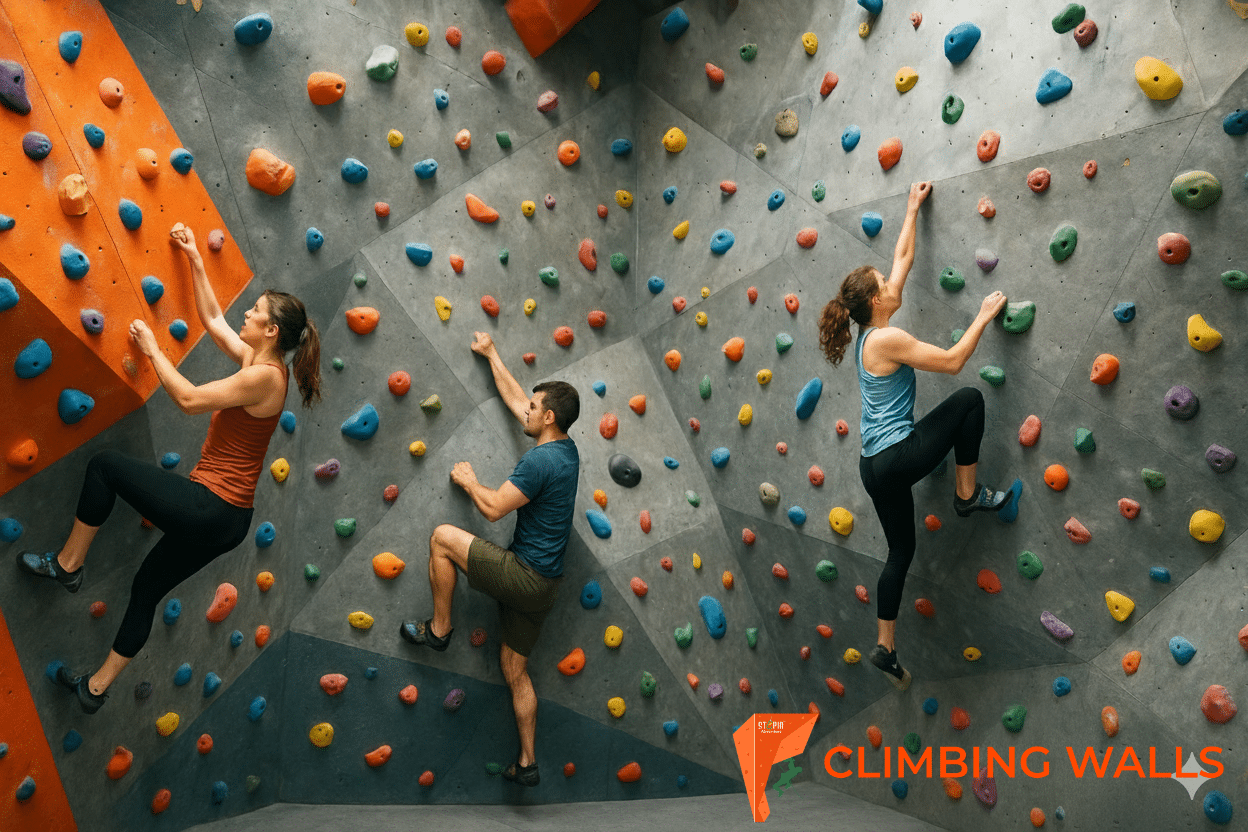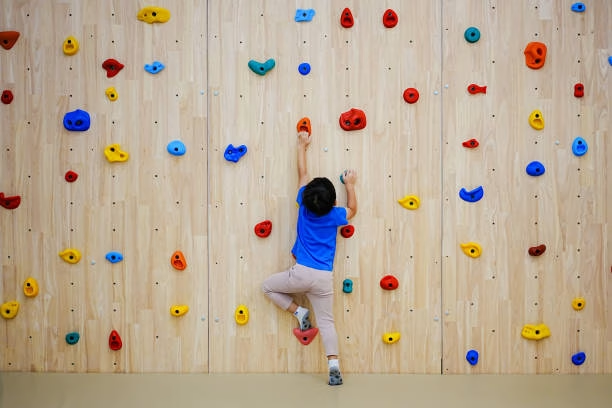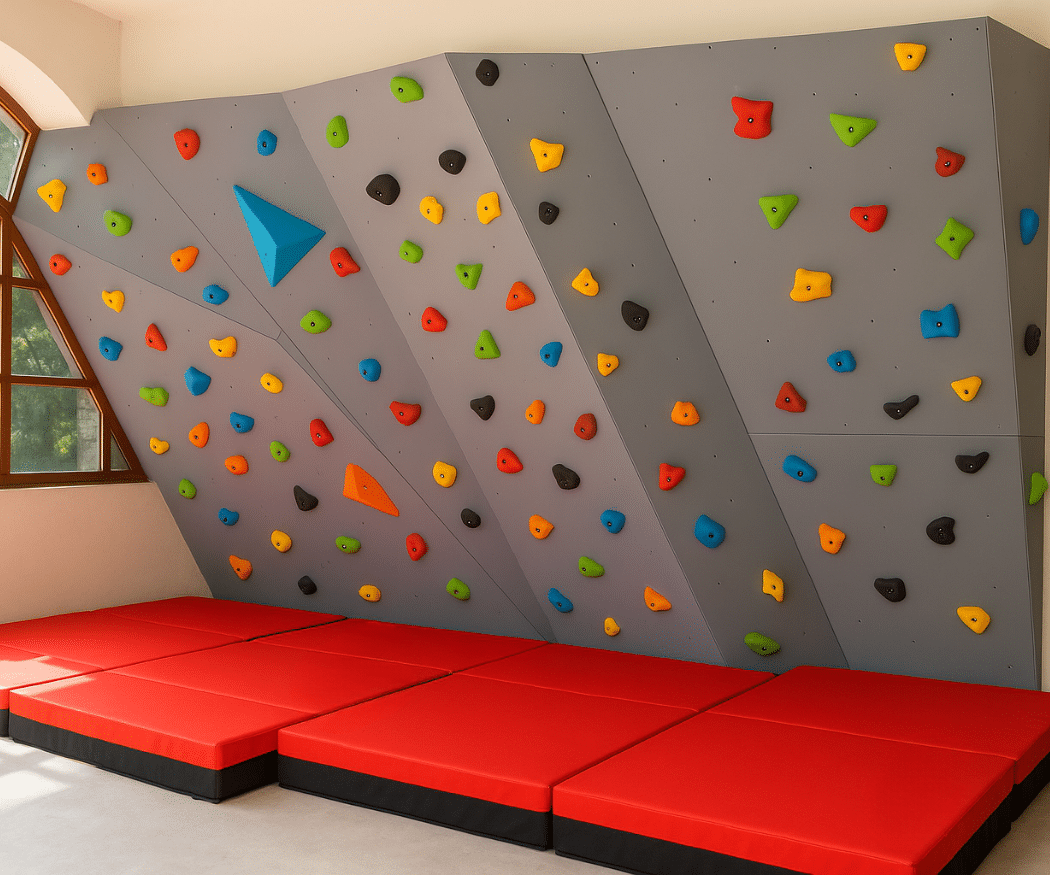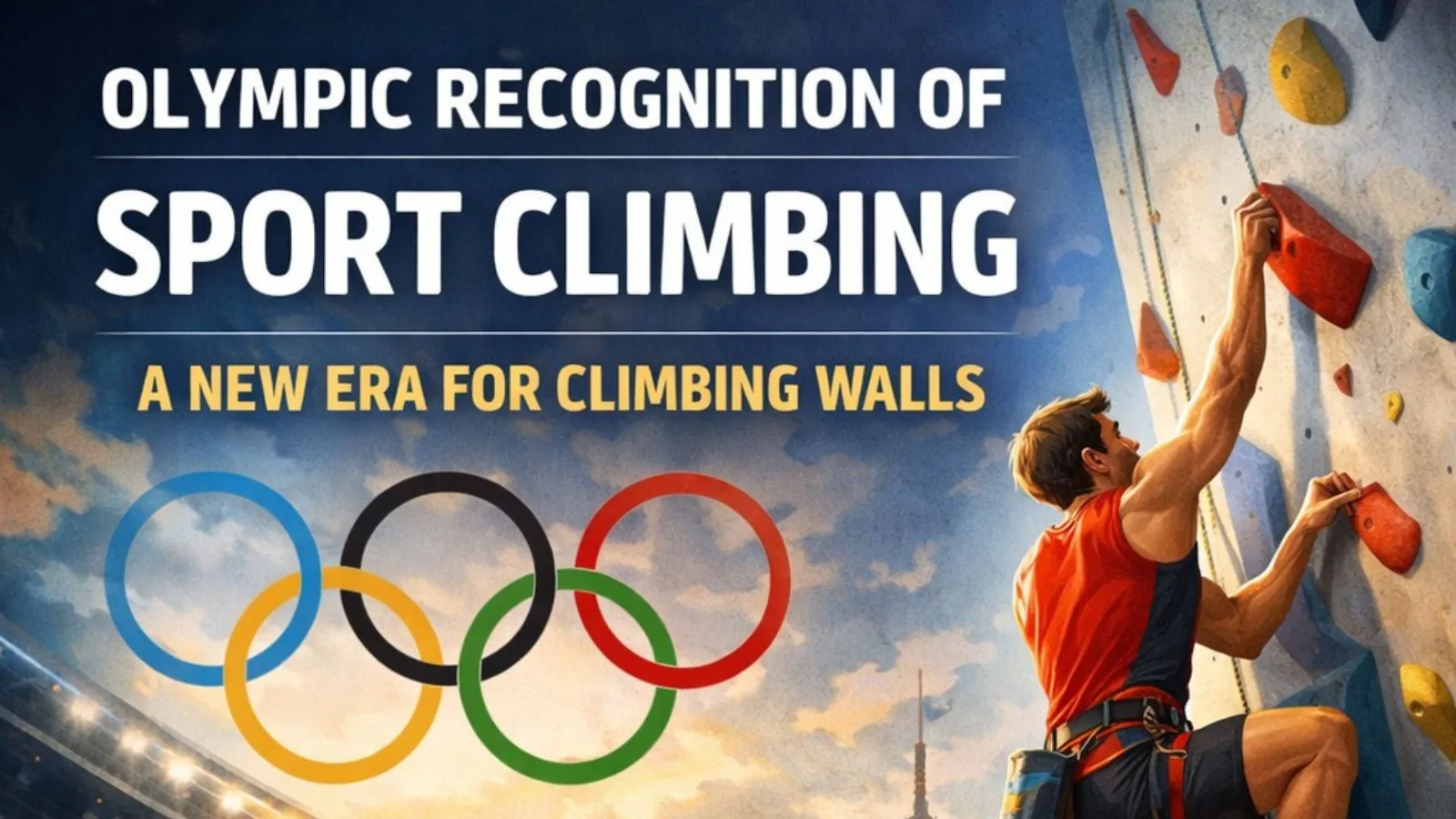
Sport climbing has evolved from a niche adventure activity into a globally recognized competitive discipline. Its inclusion in the Olympic Games Tokyo 2020 marked a historic milestone—not only for athletes but also for the entire climbing industry.
This recognition has accelerated global awareness, infrastructure development, and investment in indoor climbing wall installations, positioning climbing walls as essential components of modern sports, fitness, and recreational facilities.
Today, climbing walls are no longer confined to adventure clubs—they are integral to schools, universities, commercial gyms, and entertainment spaces, signaling a new era of growth and opportunity.
The Olympic Breakthrough: A Defining Moment
Sport climbing made its official Olympic debut at the Tokyo 2020 Olympics sport climbing, introducing three dynamic disciplines to a global audience:
- Speed Climbing – Timed ascent on standardized walls
- Bouldering – Short, technical problem-solving routes
- Lead Climbing – Endurance-based climbing on tall structures
This format showcased climbing as a high-performance sport combining strength, strategy, and precision, transforming public perception and legitimizing it at the highest competitive level.
Backed by organizations like the International Federation of Sport Climbing, the Olympic platform has accelerated the development of standardized training and competition infrastructure worldwide.
Rising Demand for Indoor Climbing Wall Installation
Following Olympic recognition, participation in climbing has surged across all age groups. Indoor climbing walls have become the primary entry point due to their safety, accessibility, and controlled environment.
Key Drivers of Demand
- Increased visibility through international competitions
- Youth engagement inspired by Olympic athletes
- Growth of fitness-based climbing workouts
- Expansion of professional training facilities
Applications of Modern Climbing Walls
- Professional athlete training centers
- Commercial indoor climbing gyms
- School and university sports programs
- Adventure parks and entertainment zones
This shift has significantly increased demand for commercial climbing wall setup and installation services that meet international standards.
Evolution of Climbing Wall Design & Engineering
Olympic recognition has redefined how climbing walls are designed, engineered, and installed.
- Competition-Grade Climbing Wall Construction
Modern climbing walls are built using:
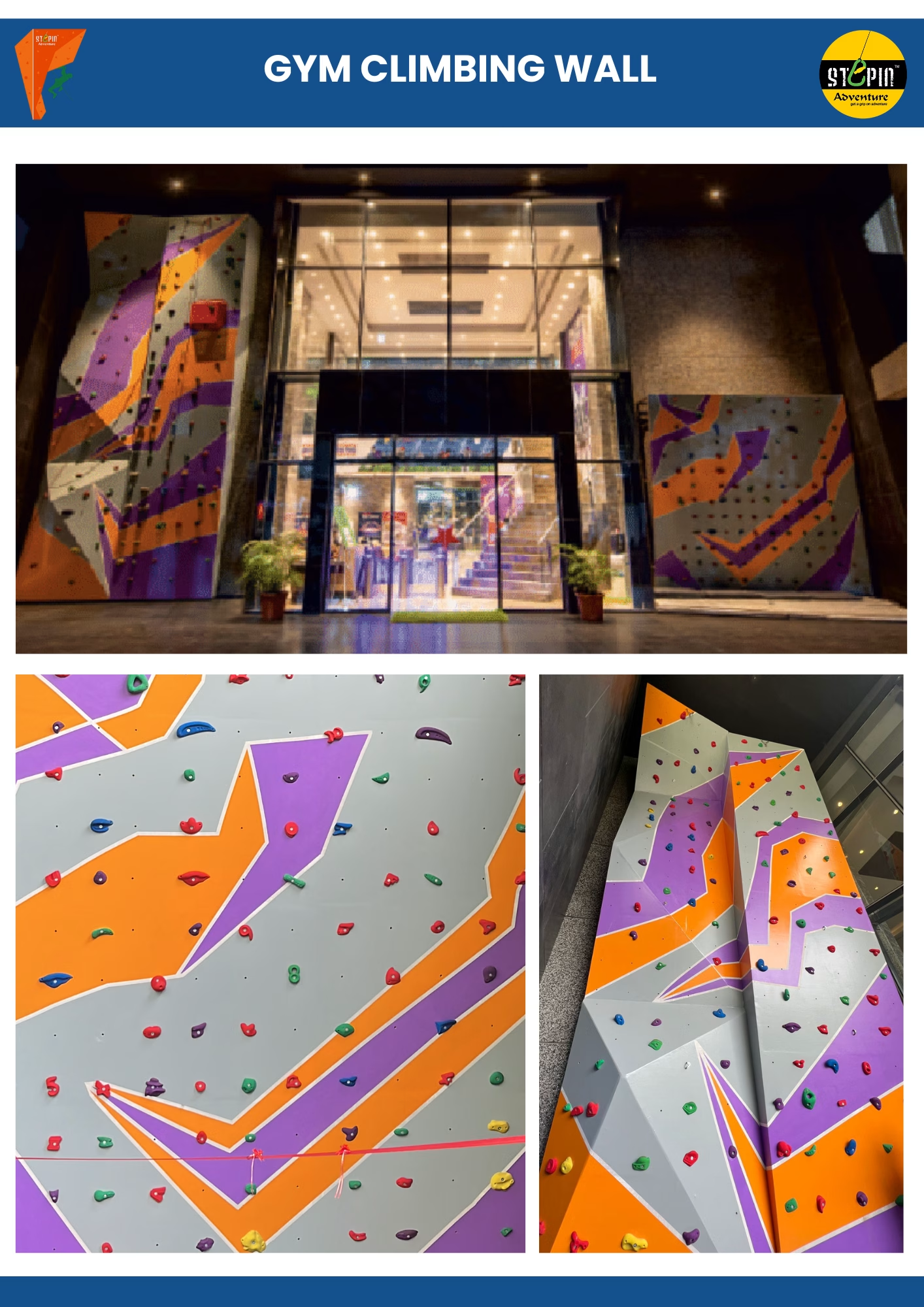
- Precision-engineered modular panels
- Standardized wall angles and dimensions
- IFSC-compliant specifications
These systems are designed to support both training and international competitions.
- Discipline-Specific Wall Design
Today’s facilities incorporate specialized zones:
- Speed Climbing Walls – Built to global competition standards
- Bouldering Walls – Dynamic and lower-height problem-solving structures
- Lead Climbing Walls – Tall, endurance-focused installations
This segmentation enhances user engagement and supports structured athlete development.
- Modular & Custom Climbing Wall Systems
Modern climbing walls allow:
- Frequent route changes
- Custom difficulty levels
- Scalable configurations for different user groups
This flexibility is essential for maintaining long-term user engagement.
- Advanced Safety Systems
Safety has become a top priority with integration of:
- Auto-belay systems
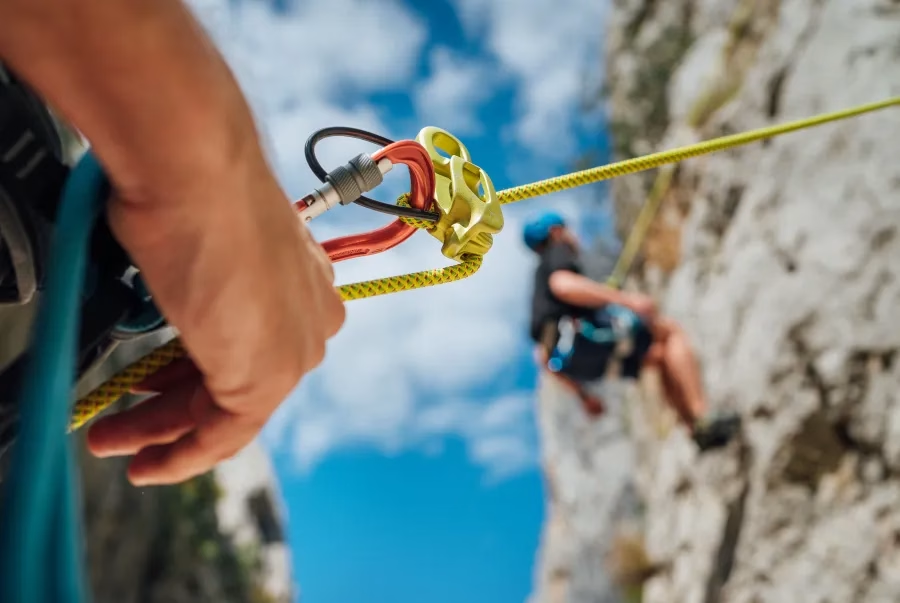
- Certified anchors and ropes
- Impact-absorbing flooring
These advancements make climbing accessible to beginners while maintaining professional safety standards.
Impact on the Fitness & Sports Industry
Sport climbing is now recognized as a functional fitness activity, combining strength, endurance, and mental focus.
Why Fitness Centers Are Adopting Climbing Walls
- Full-body workout engagement
- Improved coordination and agility
- High user retention rates
- Unique alternative to traditional gym equipment
Climbing walls are increasingly positioned as premium attractions in modern fitness and wellness facilities.
Opportunities for Schools & Institutions
Educational institutions are rapidly adopting climbing walls as part of their sports infrastructure.
Key Benefits
- Builds confidence and resilience
- Encourages problem-solving and teamwork
- Provides safe exposure to adventure sports
- Creates pathways for competitive climbing
Commercial Potential of Climbing Wall Business
The Olympic spotlight has unlocked significant business opportunities in the climbing industry.
High-Growth Business Models
- Indoor climbing gyms
- Adventure and activity centers
- Mall-based experience zones
- Corporate recreation facilities
- Resort and tourism installations
Revenue Streams
- Entry fees and memberships
- Coaching and training programs
- Competitions and events
- Equipment and gear sales
Technology & Innovation in Climbing Walls
The industry is rapidly evolving with technology integration:
- Digital route-setting systems
- Interactive LED climbing holds
- Athlete performance tracking
- Smart training analytics
These innovations enhance both user experience and training efficiency, making climbing more engaging and accessible.
Inspiring the Next Generation of Climbers
Olympic recognition has created a clear pathway for aspiring climbers—from beginners to professional athletes.
With increasing investment in training programs and infrastructure, climbing walls are becoming grassroots development hubs, nurturing future talent and expanding the sport’s global reach.
Future Trends in Climbing Wall Development
The future of climbing walls is closely tied to the continued growth of Olympic sport climbing.
Key Trends to Watch
- Demand for IFSC-standard climbing wall installations
- Integration into urban sports infrastructure
- Growth of youth climbing academies
- Expansion in emerging markets like India
- Collaboration between private developers and sports authorities
Climbing walls are evolving into strategic sports infrastructure assets.
Conclusion: A Transformational Era
The Olympic recognition of sport climbing represents a defining moment in the evolution of the sport. It has transformed climbing into a mainstream athletic discipline while driving innovation, infrastructure development, and global participation.
For developers, institutions, and entrepreneurs, this is a high-growth opportunity to invest in future-ready climbing environments.
Climbing walls are no longer optional recreational features—they are now essential components of modern sports and fitness ecosystems.